Spanish
SOUL

By Jenny Starr Perez

The Flamenco Festival returns to Miami with a tribute to Granada’s legacy, showcasing the soulful Spanish tradition’s past and future.

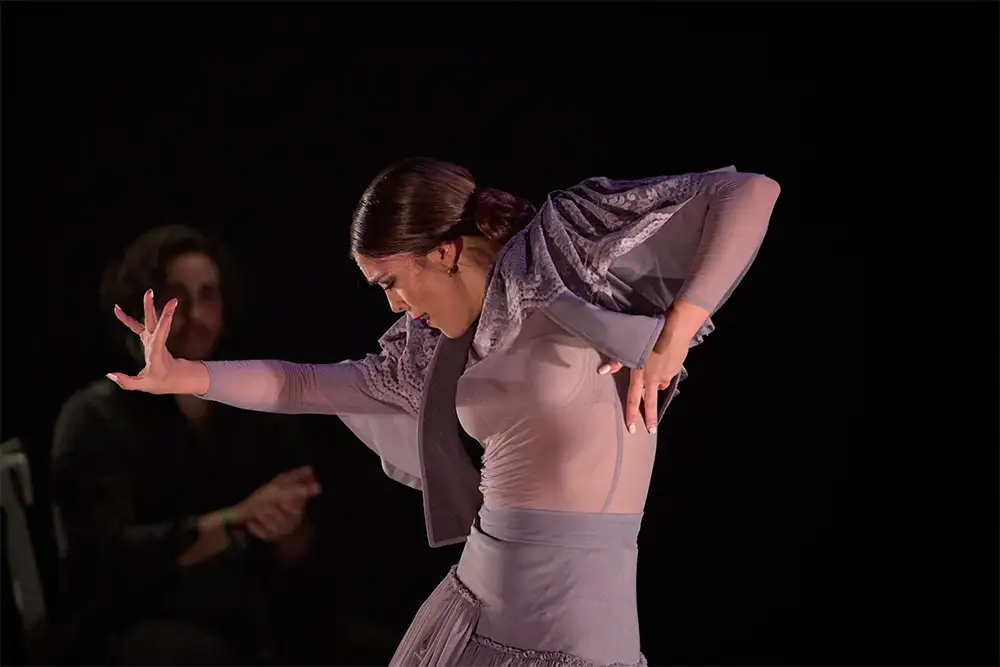
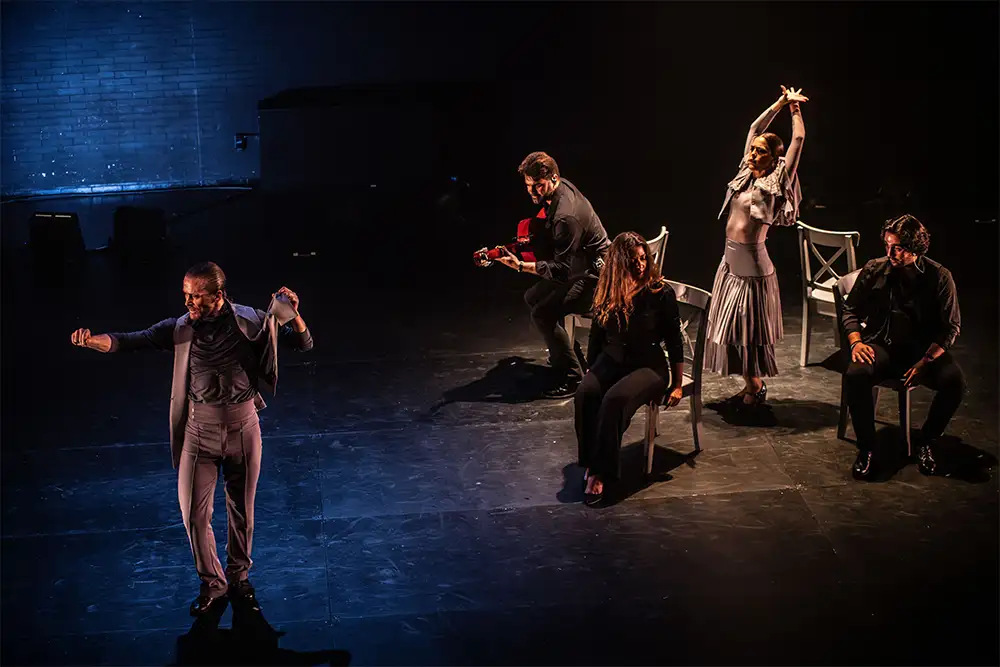
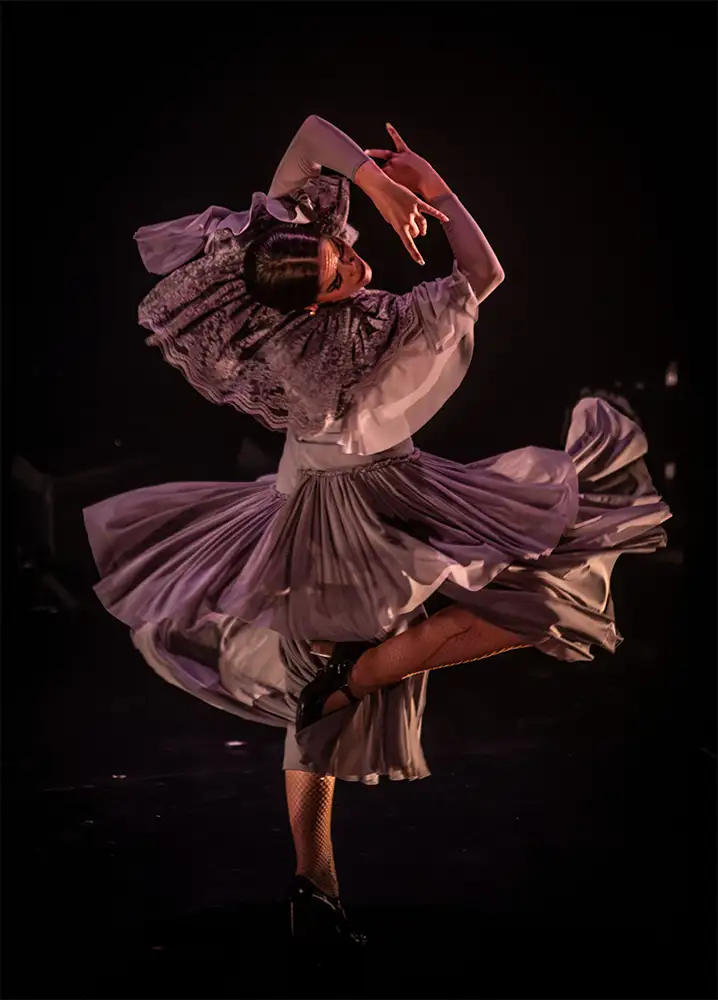
Flamenco can be described in a variety of ways. It’s an emotion, a language of movement and music that speaks directly to the soul. This week, Miami welcomes back one of its most anticipated cultural events, the 16th Flamenco Festival Miami, running from March 5 to March 9 at the Adrienne Arsht Center for the Performing Arts. This year’s festival is an ode to Granada, a city revered for its deep flamenco roots and its daring contemporary expressions.

Curated by Miguel Marín, the festival blends the power of traditional flamenco with its evolving modern identity. Marín, who originally pursued a career in economics before devoting himself to the art form, sees flamenco as both a cultural touchstone and a living, breathing entity. “Flamenco is no longer confined to its past; it has transformed,” he says. “It speaks to everyone, regardless of where they come from.”

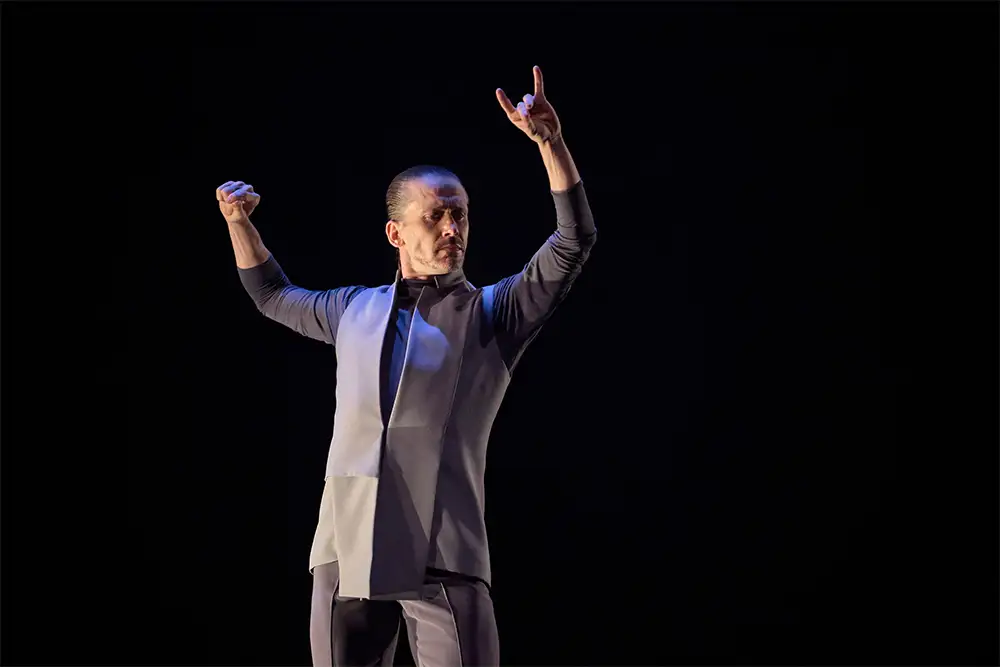
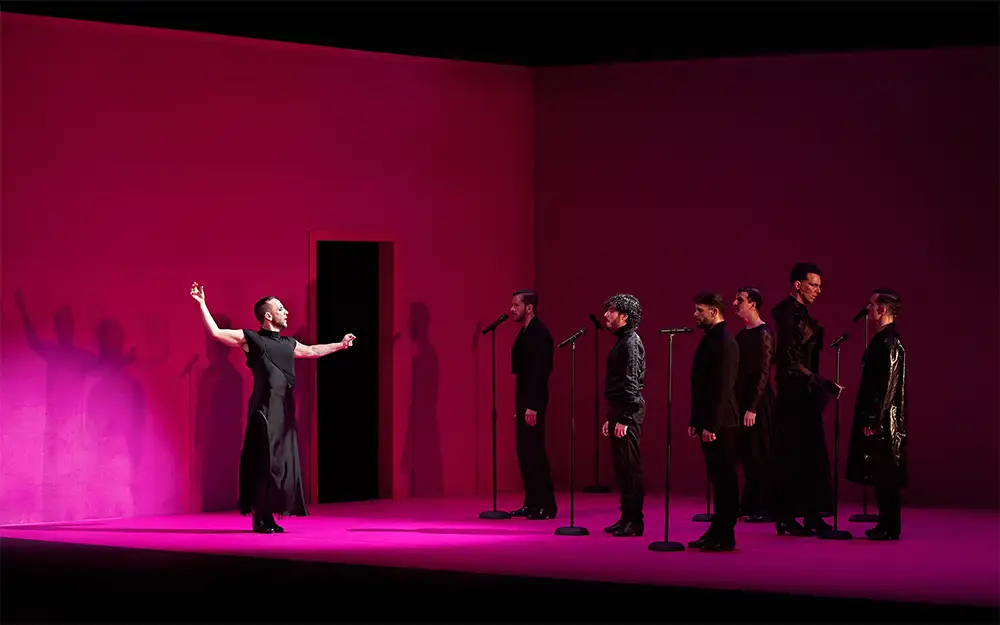
This year’s festival stages performances by some of the most dynamic flamenco artists working today. The opening night features Manuel Liñán with Muerta de Amor, a provocative piece exploring human connection and desire. Liñán, known for his bold approach, challenges flamenco’s traditional gender roles, infusing the performance with a theatrical intensity that has earned him critical acclaim.

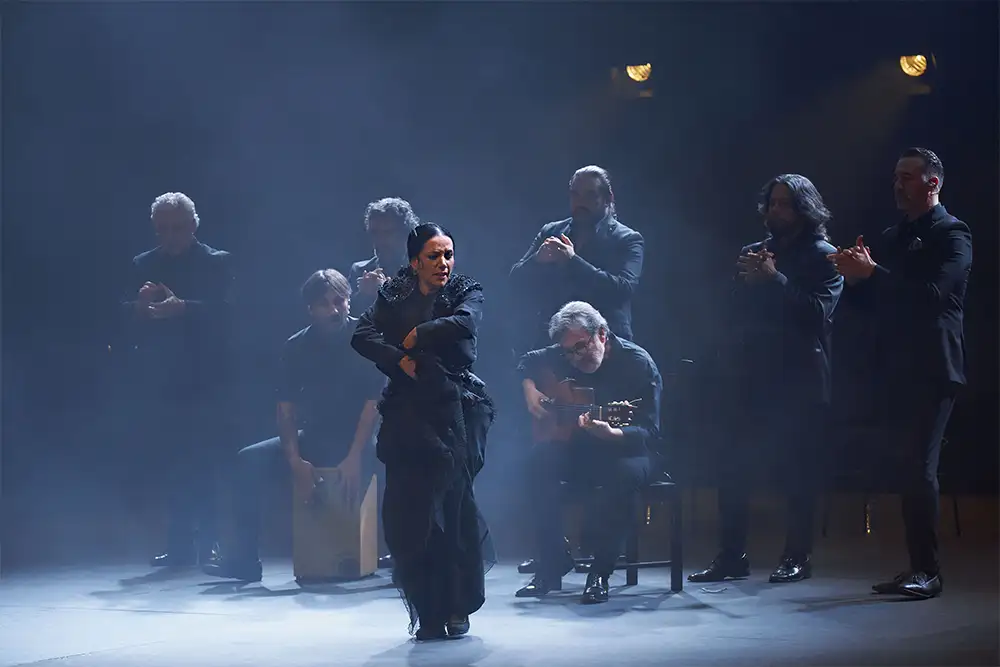
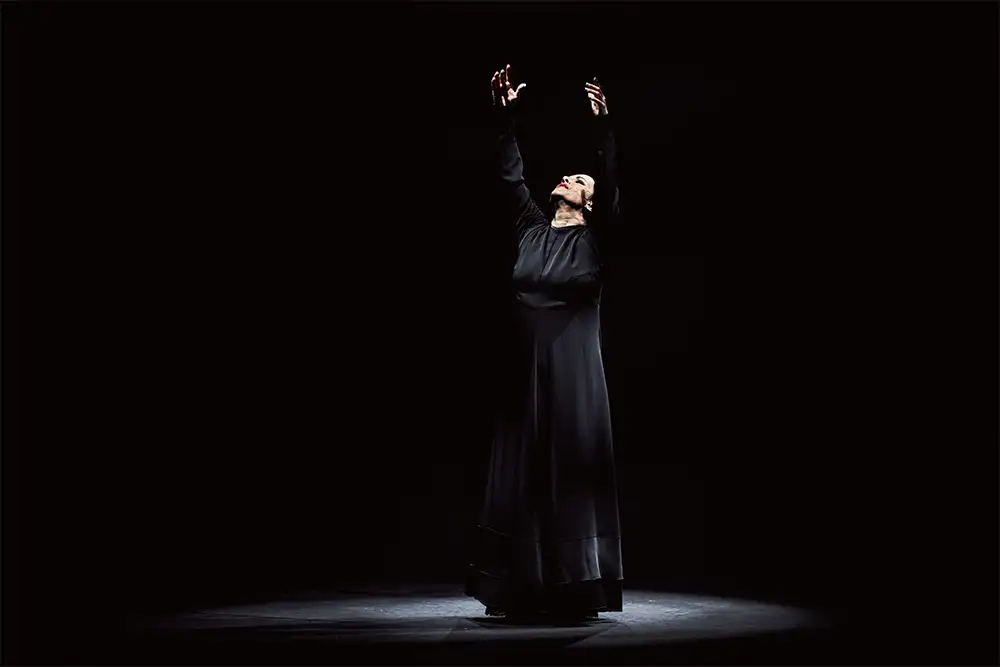
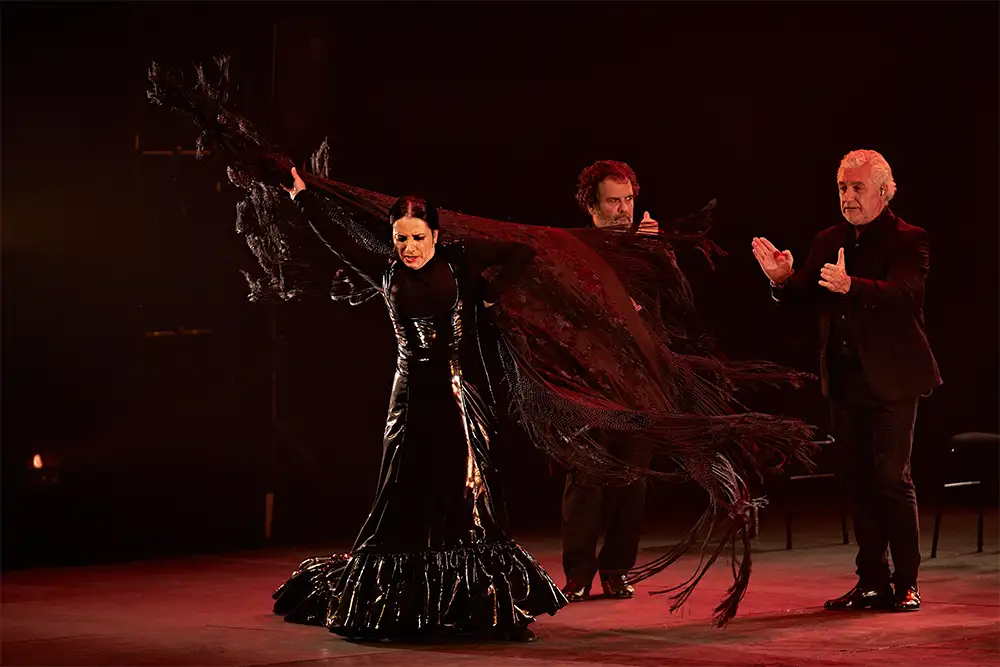
The festival continues with a performance by Eva Yerbabuena, one of flamenco’s most celebrated figures. In Yerbagüena (Oscuro Brillante), she reflects on her 20-year career, demonstrating why she is considered a force of nature in the flamenco world. Accompanied by her longtime musical director, Paco Jarana, and a cast of musicians, Yerbabuena’s artistry balances precision with raw emotion.

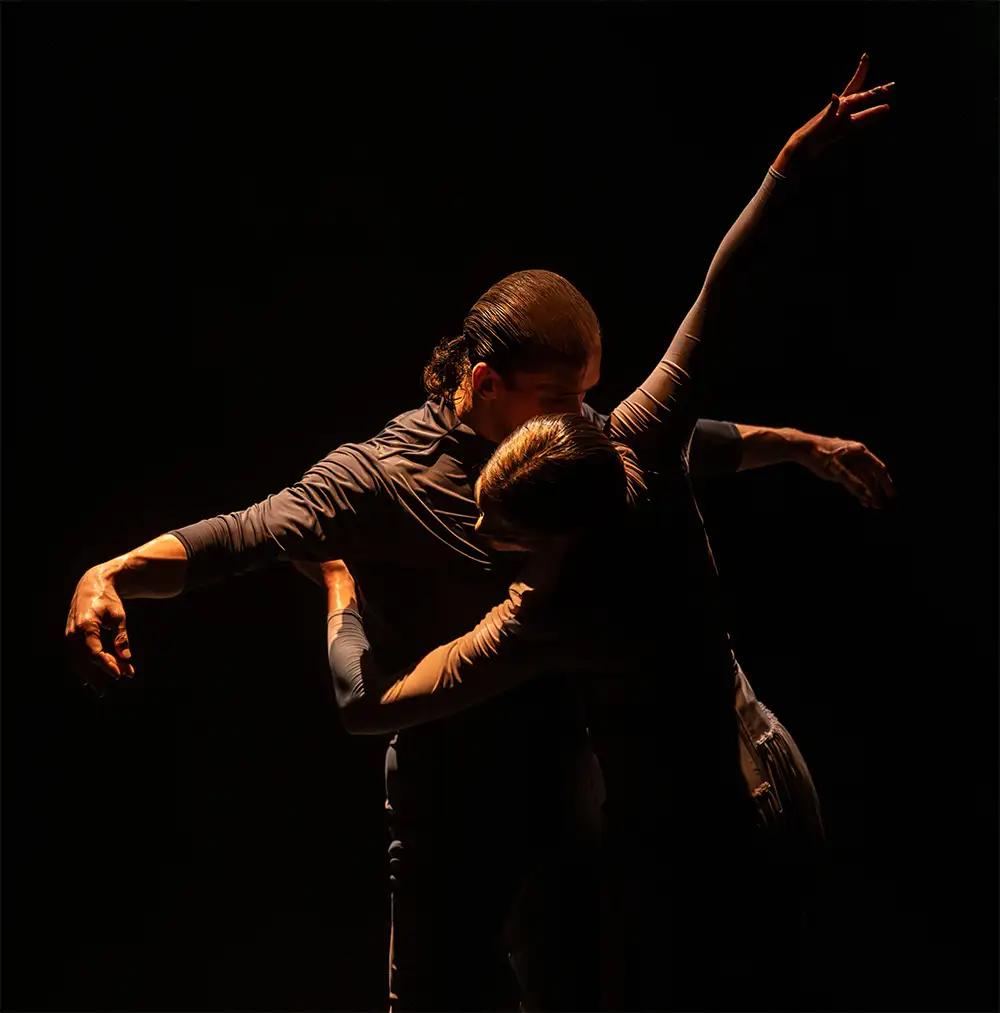
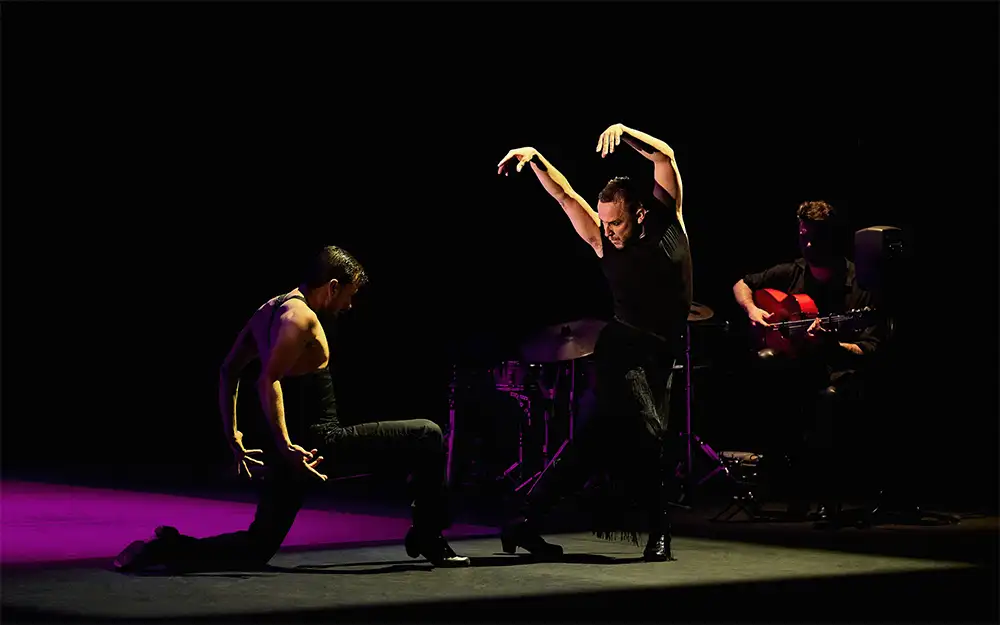
Closing the festival is Alter Ego, a piece by Patricia Guerrero and Alfonso Losa that investigates the duality of self. Guerrero, a 2021 recipient of Spain’s prestigious Premio de la Danza, and Losa, hailed as one of Madrid’s finest flamenco dancers, create a dialogue between tradition and modernity. “We are playing with opposites—light and dark, classic and contemporary,” says Guerrero. “Flamenco, at its core, is about emotion, and that never changes.”
For Marín, Miami is a unique stage for flamenco. Unlike in Spain, where the art form is woven into everyday life, Miami audiences experience flamenco with fresh eyes. “There’s something special about how Miami audiences engage with flamenco,” Marín explains. “In Spain, it’s always there, but here, it feels like an event, something truly celebrated.”

The challenge of bringing this festival to life is no small feat—especially with a team of only three people. Despite this, Marín and his collaborators have built Flamenco Festival Miami into a cultural cornerstone, not only maintaining flamenco’s legacy but also expanding its reach.

Beyond the grand performances, Marín envisions expanding the festival’s scope, perhaps incorporating smaller, more intimate experiences that showcase flamenco in unconventional ways. “Flamenco is adaptable—it thrives in a grand theater, but it’s just as powerful in an intimate setting,” he says.

For those attending for the first time, Marín has one request: arrive with an open mind. “Flamenco is emotion. It’s not something you need to understand—it’s something you need to feel.”

With each stomp, strum, and soulful cry, Flamenco Festival Miami is more than just a showcase of Spanish artistry. It’s a testament to the enduring power of an art form that refuses to stand still. Tickets for Flamenco Festival Miami range from $30 to $135 and are available online at arshtcenter.org.

Photography is courtesy of Arsht Center